
CCTV Pipeline Inspection vs Excavation: Which Offers Better Value?
When a pipeline problem turns up, asset owners face a choice, CCTV pipeline inspection or excavation. The right answer is rarely just the cheapest call-out fee. Total project costs, likely outcomes, and site-specific factors matter. If you look past the headline price, and weigh access, pipe condition, site constraints, and whether you need a diagnosis or an immediate repair, the most cost-effective route becomes clearer. This comparison of non-invasive pipeline inspection costs pulls together both direct and indirect expenses, so decision-makers can pick the approach that best balances budget and results.
Understanding The Full Cost: More Than Just A Call-Out Fee
An inspection quote is only the start. Total costs for CCTV inspection or excavation can include labour, equipment mobilisation, traffic management, site control, surface reinstatement, operational downtime, and risk-related costs. Estimating these items gives a realistic picture of project expense and helps avoid surprises once work begins.
What CCTV Pipeline Inspection And Excavation Entail
CCTV Pipeline Inspection: Non-Invasive Visual Assessment
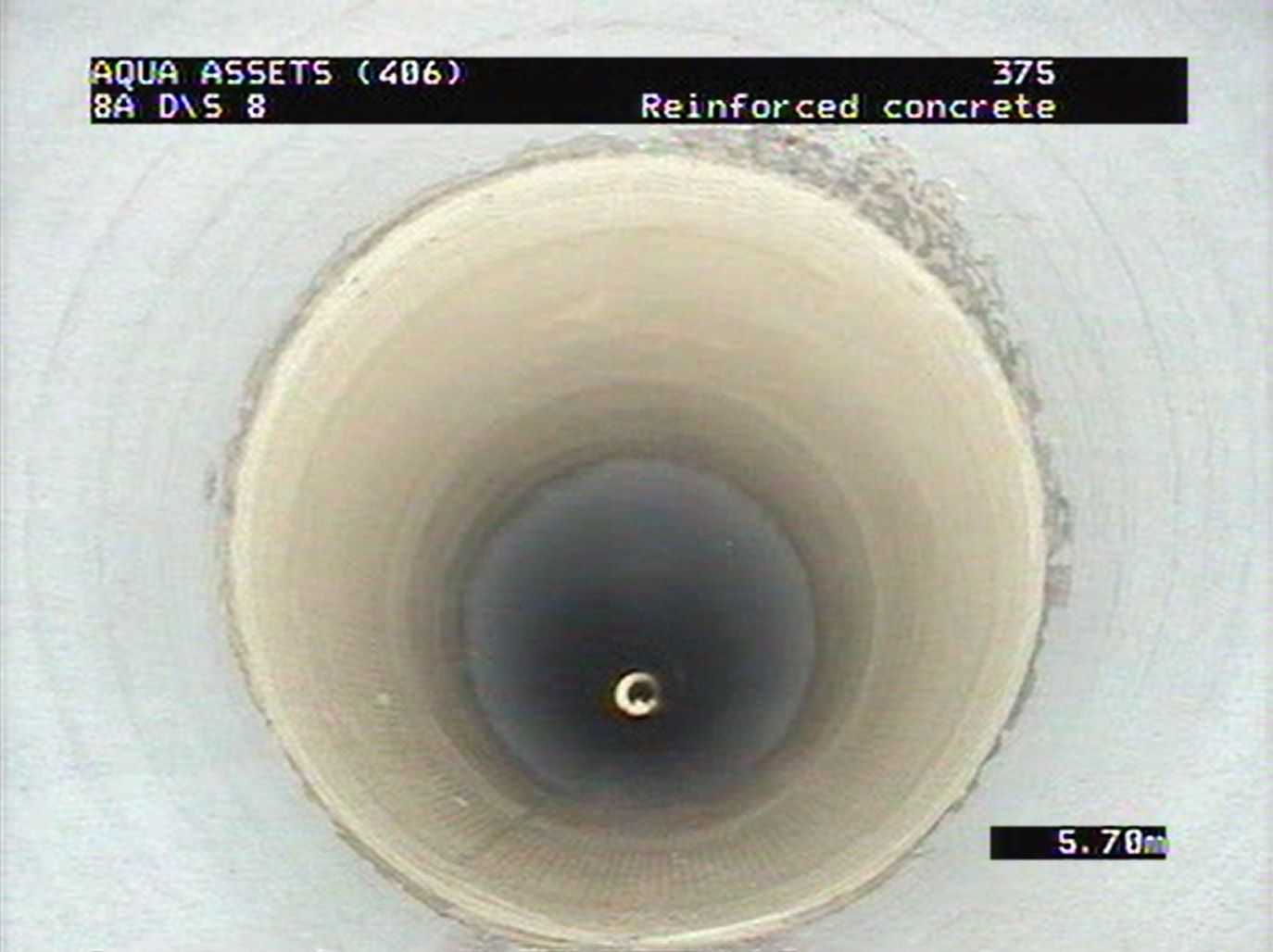
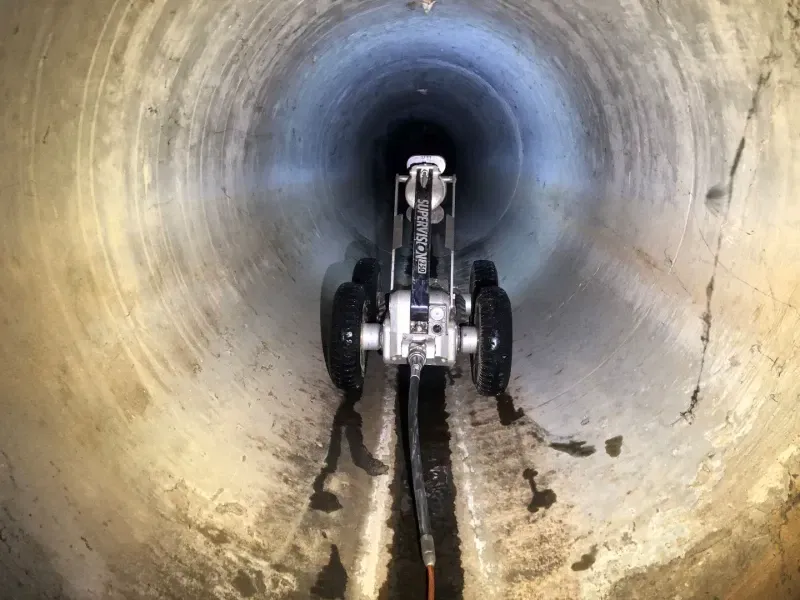
CCTV pipeline inspection uses push cameras or crawler systems that travel inside pipes and deliver a visual record of their condition. It is non-destructive, it produces detailed footage and defect coding, and it keeps surface disruption to a minimum, provided there are accessible entry points.
Traditional Excavation: Physical Access And Repair Preparation
Excavation means mechanically removing surface materials to expose pipelines for inspection or to prepare for repair. It requires heavy machinery, teams to manage spoil removal, site management measures, and later surface reinstatement. Excavation also tends to increase operational downtime, such as traffic delays or restricted access.
Distinguishing Non-Destructive Digging From CCTV Inspection
Non-destructive digging, NDD, is a safer form of excavation that reduces surface damage but still needs physical access. CCTV pipeline inspection is a no-dig method, so it causes the least site disruption and carries lower risk when access points are available.
Comparing Pipeline Inspection Costs: A Total-Cost Perspective
| Cost Factor | CCTV Pipeline Inspection | Excavation |
|---|---|---|
| Mobilisation & Equipment | Camera systems, operators on site | Heavy machinery, excavation team |
| Labour | Skilled CCTV operators | Excavators, support staff |
| Excavation & Surface Removal | None (unless pipe cleaning required) | Required for physical access |
| Spoil Handling | Not applicable | Spoil removal and disposal |
| Traffic & Access Management | Minimal if access points exist | Often significant on busy sites |
| Surface Reinstatement | None or minimal | Extensive reinstatement often needed |
| Operational Downtime | Typically minimal | Often prolonged due to works |
| Risk Of Asset Damage | Low, no digging involved | Higher risk of asset damage |
| Inspection Data & Reporting | Detailed video with defect coding | Visual confirmation after exposure |
| Typical Use Cases | Diagnosis, maintenance planning | Repairs, replacements, inaccessible pipes |
CCTV inspection usually costs less where pipe access exists. Still, quotes vary with pipe diameter and length, availability of access points, whether cleaning is required, blockage severity, site location, site control needs, reporting detail, and how quickly the work must be done.
Realising The ROI: Finding The Problem Before Digging Saves Costs
Accurate CCTV footage often prevents unnecessary exploratory excavation. It lets teams target repairs to the affected area, shrinking excavation size, cutting surface reinstatement costs, and reducing downtime. A simple value framework helps clarify the decision.
Net Inspection Value = Avoided Exploratory Excavation + Reduced Downtime and Risk + Earlier Intervention Savings − CCTV Inspection Cost.
Use that framework to decide whether a CCTV inspection will save money on a specific job, rather than assuming one method is always cheaper.
Non-Destructive Testing Benefits Beyond Direct Costs
Non-destructive testing via CCTV brings advantages that go beyond line items on an invoice.
- Minimal surface disruption keeps roads, rail corridors, industrial sites, and public areas functioning.
- Less interference with traffic and site operations reduces downtime and inconvenience.
- Worker safety improves by removing many excavation hazards.
- Detailed visual records support precise defect coding and clearer maintenance planning.
- Inspections create an audit trail that supports compliance, for example with WSA-05 2020.
These benefits matter for pipelines across sewer, stormwater, water, gas, energy, and telecommunications networks.
When CCTV Inspection Is The Most Effective First Step
CCTV inspection is often the best starting point for unexplained blockages, suspected cracks or leaks, general condition assessments, pre- and post-construction surveys, and maintenance planning. Aqua Assets can inspect pipes from 50 mm up to 2 m in diameter. Confirming site accessibility and job suitability with their expert team helps ensure the method fits the project.
Recognising When Excavation Is Still Necessary
Excavation remains required in certain situations.
- Pipes that have collapsed or do not have suitable access points for cameras.
- Pipes fully blocked by debris or obstructions that prevent camera passage.
- Cases demanding above-ground verification or physical repairs and replacements.
Often, combining CCTV inspection with targeted excavation reduces total excavation needs, by accurately locating defects and focusing resources.
Frequently Asked Questions
Is CCTV Pipeline Inspection Cheaper Than Excavation?
When access exists, CCTV inspection generally has lower direct and indirect costs. Excavation is sometimes unavoidable for repairs. Overall cost depends on site and project specifics.
What Factors Affect Pipeline Inspection Costs?
Costs vary with pipe size and length, ease of access, need for cleaning, severity of blockages, site location, site controls required, level of reporting detail, and how urgently the work is needed.
Can CCTV Detect Every Pipeline Defect?
CCTV finds blockages, cracks, corrosion, infiltration, and exfiltration visually. It may not show internal wall defects or problems hidden behind obstructions.
Is Pipe Cleaning Required Before CCTV Inspection?
Often, yes. Cleaning improves camera visibility and the accuracy of condition assessments, which affects inspection cost.
When Is Excavation Unavoidable?
Excavation is necessary when pipes are inaccessible, collapsed, or when physical repairs or replacements are required.
Making The Right Inspection Decision
If the goal is diagnosis and internal access exists, non-invasive CCTV pipeline inspection is a cost-effective first step. Excavation becomes necessary when physical access or repairs are required. For project-specific guidance and accurate cost comparisons, contact Aqua Assets for an assessment and quote across Sydney, Newcastle, NSW, and interstate where available.
For further details on CCTV pipeline inspection services, excavation alternatives, and pipeline rehabilitation, visit Aqua Assets online or request a customised assessment.