
CCTV Pipeline Inspection Equipment Specifications
Introduction To Industrial CCTV Inspection Technology
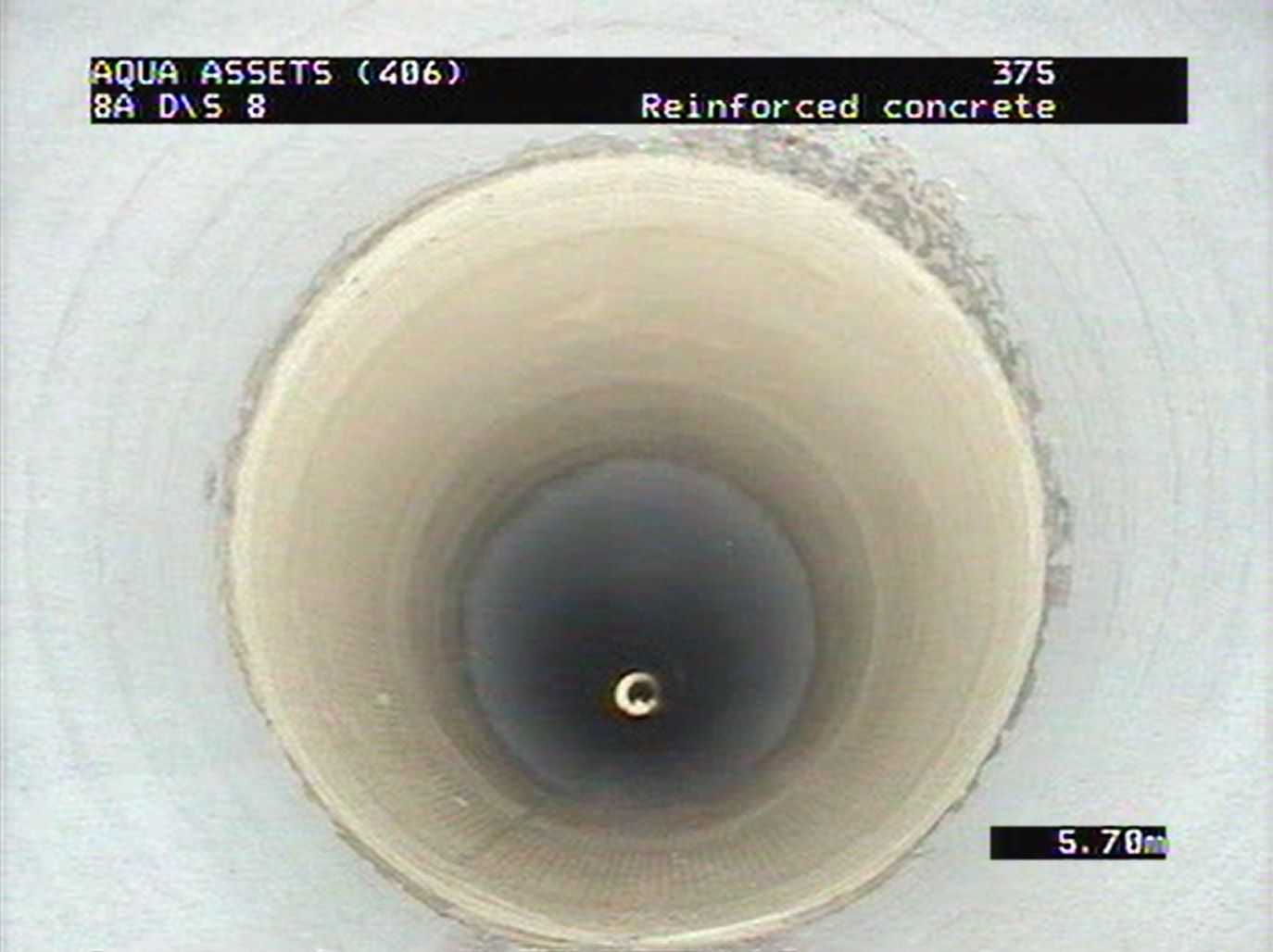
Industrial CCTV inspection technology uses specialised cameras and related gear to look inside pipelines. It lets teams spot corrosion, cracks, blockages, joint faults and other oddities without digging everything up or shutting things down. Modern systems cover pipe diameters from as small as 50 mm to as large as 2 metres. That range handles municipal water, sewer and many industrial pipes.
Good quality, real-time footage makes maintenance planning far less guesswork. CCTV inspections are non-destructive, safer for workers, and usually kinder to budgets. They give the kind of visual evidence that helps managers decide what to repair now and what can wait.
Push Cameras For Small Diameter Pipelines
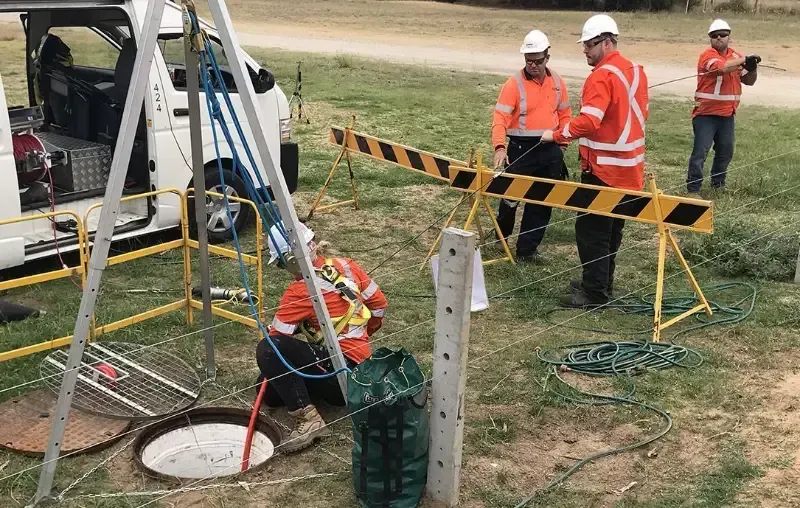
Push rod cameras work well in pipes from 50 mm to 150 mm in diameter. The camera head is small, mounted on a flexible rod, and technicians feed it into the pipe by hand. Their lightweight, portable design is handy where access is tight. Think residential laterals, small drains, or tricky sewer connections.
Crawler And Tracking Systems For Large Diameter Pipelines
For pipes from 150 mm to 2 metres, crawlers or tracked systems are the go-to option. These robotic vehicles with stabilised camera heads on tracked or wheeled chassis. They move smoothly through mains, handle gradients, and deal with obstacles
Crawler systems bring engineering features like adjustable track widths, powerful traction motors, and shock-absorbing suspension. The camera pods often house high-resolution sensors, sometimes up to 4K, with strong LED rings or fibre optic lighting. They also give pan, tilt and zoom control. In short, they let the operator inspect a crack or joint as if they were kneeling right next to it, but without the mud.
Perfect for long inspections of large sewer mains, industrial mains and tunnels. They transmit live footage back to the surface and are built to take a pounding, which improves safety and data quality.
Operational Requirements And Reporting Standards
Good inspections rely on more than hardware. Software and standards matter too.
Data Integration With Inspection Software
Modern CCTV rigs plug into industry inspection software such as WinCan. That makes it simple to collect footage, code defects, measure features and produce structured reports. It saves time, reduces human error and keeps records tidy for future reference.
Compliance With Australian Reporting Codes
Australian water and sewer asset managers usually require inspections to follow standards like AS/NZS 4926. That standard covers inspection methods, defect classification and report formats. Following it keeps work consistent and defensible. It also helps when you need to explain findings to stakeholders who want clear, repeatable results.